
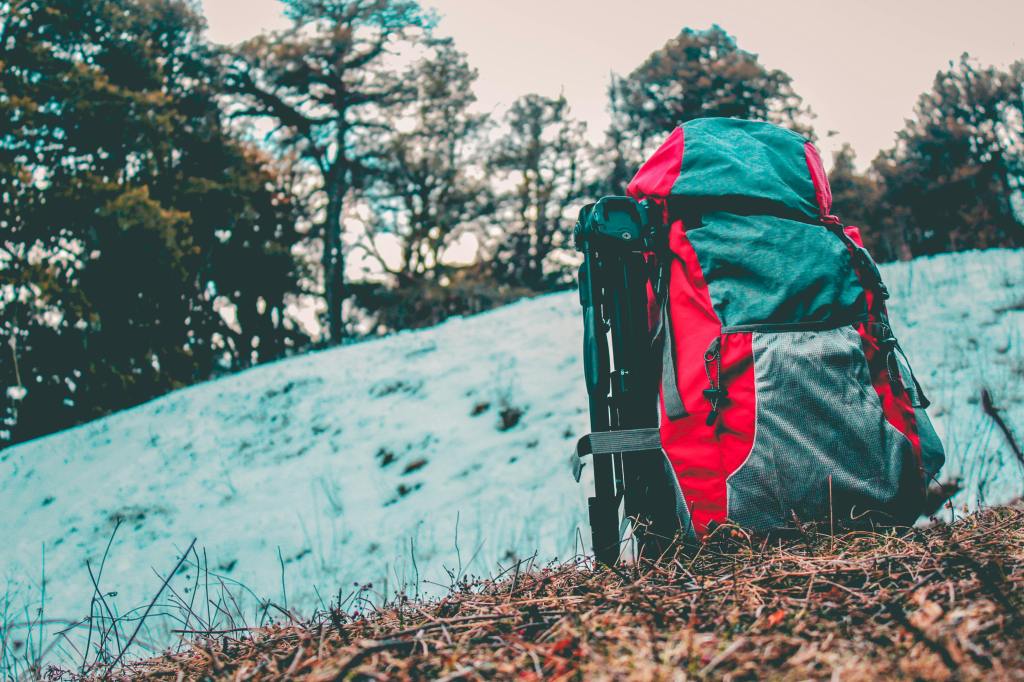
In my novel, The Long Walk Home: When the Power Dies, I dropped hints about the Ten Essentials as Tommy’s secret weapon. He mentions them just twice: once while brainstorming packs with the Browns (the family who unofficially adopts him) for their Sacramento trek, and again after grabbing extra supplies with Jason Brown—forcing the group to carefully trim their loads.
If you’re new to this, you might be wondering: What exactly are the Ten Essentials? If you’re a veteran of Scouts, hiking clubs, or solo trail adventures, you’re probably nodding along. Born in the 1930s from the Mountaineers’ community and officially locked in during the 1974 edition of Mountaineering: Freedom of the Hills, this powerhouse list has evolved into a scalable, no-nonsense blueprint for survival. It’s perfect for a geeky teen like Tommy—who’d excitedly scribble it on a 3×5 card to bombard his friends with trivia.
Think about it: Simple enough for a kid to master, yet tough enough to conquer Denver’s urban chaos, the brutal Colorado Rockies, and the endless Great Basin. Tommy does pester the Browns with his card-scribbled list—and over decades, these items have saved countless lives. The modern version (navigation, headlamp, sun protection, first aid, knife, fire, shelter, extra food, extra water, extra clothes) is barely tweaked from my own care-worn fourth edition. Updates? The Mountaineers have streamlined it: merged map/compass into “navigation,” swapped flashlight for headlamp, added shelter and water as stand-alones, and simplified fire starters. Evolution, not revolution.
Let’s break down the current Ten Essentials and see how they fuel Tommy’s grueling 1,200-mile odyssey. I’ll tie in real-world tips to make this your go-to guide!
- Navigation
Tech junkies swear by GPS apps and devices, but smart hikers always pack a map and compass as backups. No power? No problem. Tommy grabs a compass and scavenged maps—pure prudence in a grid-down world. - Headlamp
Today’s featherweight LEDs crush the clunky, power-hungry flashlights of the ’70s–’90s. But Tommy? Electricity’s a memory. He improvises with candles and even a classic torch during one nail-biting scene. (Pro tip for reality: Stock extra batteries—you’ll thank me at dusk!) - Sun Protection
Sunscreen tubes are now hiking humor gold, right? Add hats, shades, and UPF sun shirts. Tommy and the Browns snag some of these at the airport—essential for blistering days ahead. - First Aid
Thru-hikers go minimalist (Leukotape + ibuprofen FTW), while expedition pros pack full kits. Bonus: Use it for gear fixes too! Tommy’s compact kit, improved by Bethany, patches wounds and morale on the trail. - Knife
My everyday hero? A modded Victorinox Spartan—eyeglass screwdriver hidden in the corkscrew, and a Tortoise Gear Firefly fire-starting toothpick. TSA-no-go at airports, though. Tommy scavenges a utility knife early on—a game-changer for camp chores. - Fire
Lighter + matches + ferro rod = your fire trifecta. Late summer softens Tommy’s needs, but I gloss over it—until a drenching demands warmth. Fires aren’t optional; they’re lifelines. - Shelter
From tube tents to Dyneema micro-palaces, options abound. Tommy scores unused Tyvek from a construction site—durable, ultralight gold for tarps and groundsheets. - Extra Food
Calorie hoarders, this one’s for you! I always overpack snacks. Tommy and the Browns bolt from a supply-strapped Denver airport as scarcity bites—scavenging becomes their late summer survival edge. - Extra Water
I haul 2L+ plus a filter for anything over 5 miles. In water-scarce regions like mine, it’s non-negotiable. Tommy’s crew slurps bandanna-filtered roadside sources until safe stops—carrying and sourcing H2O is their endless battle. - Extra Clothes
Weather apps make planning easy, but overpack at your peril! Layer for your “worst-case +1.” Tommy’s crew packs carefully for unknown timelines—rolling luggage meets backpack reality.
Why the Ten Essentials Rock Your Real-Life Adventures
This isn’t fiction—it’s your ticket to safe, epic outings. Scalable from solo day hikes (tell someone your plan!) to multi-day beasts or hunts, it prevents overpacking while covering emergencies. As an Eagle Scout and former ski patroller, I got ribbed for hauling “the kitchen sink”—but this rubric keeps you prepared, not paranoid.
- Day Hike? Stuff it all in a daypack. Check the forecast and go light.
- Multi-Day? Amp up food/water resupply. I’ve seen ultralight pros starve into deficits—don’t be them! Better prep = fewer rescues (and you’re in fighting shape if one comes).
The Ten Essentials aren’t just yours—they protect rescuers too. Win-win!
How They Stack Up: Survival Kit vs. Get Home Bag vs. Ten Essentials
Last week, we unpacked the Get Home Bag. Spot the differences?
- Survival Kit: Extended wilderness endurance (days/weeks). Think shelter, fire, signaling.
- Get Home Bag: Urban escape (12–72 hours). Mobility + basics to hoof it home.
- Ten Essentials: Day-trip minimalism. Your safety checklist for any outing.
Mix and match to customize for your adventures.
Your Turn: Amp Up Your List!
What does the Ten Essentials miss for you? Bear spray? Bug repellent? A satellite communicator? Share your must-haves in the comments—let’s crowdsource the ultimate kit! What’s your personal twist?
Epic News Alert! Paperbacks of The Long Walk Home are available for pre-order NOW—a full month ahead of schedule! Grab yours today at your fave bookstore and join Tommy’s race against winter. Here’s a quick link —don’t miss out!
What are you waiting for? Comment below—let’s gear up together!
 Michael H. Ritterhouse
Leave a comment